
Cultural reflections How society views gambling and its impact on behavior
Historical Perspectives on Gambling
The history of gambling dates back thousands of years, woven into the fabric of many cultures. Ancient civilizations often used games of chance not just for entertainment but as a means to resolve disputes or seek favor from deities. For instance, dice were used in ancient Rome and China, showcasing how gambling has been a universal phenomenon. These historical contexts reflect how society has long viewed gambling as an integral part of life, often intertwined with social rituals. Today, players can also enjoy anonymous crypto casinos that prioritize user privacy.

As societies evolved, the perception of gambling began to shift. During the Middle Ages, gambling was often stigmatized, seen as a vice that could lead to moral decay. However, the Renaissance brought a renewed interest in games of chance, reflecting a more tolerant attitude. This dichotomy illustrates how cultural values influence the acceptance or rejection of gambling practices over time, shaping societal behavior.
Contemporary Attitudes Towards Gambling
In modern society, gambling is a multi-faceted issue, viewed through different lenses depending on cultural, social, and economic contexts. In some regions, it is celebrated and integrated into social norms, such as in Las Vegas or Monte Carlo, where gambling is synonymous with entertainment and tourism. Conversely, many communities still view it as a harmful addiction, leading to financial and personal ruin. This polarized perspective is often influenced by local laws, religious beliefs, and public health discussions.
Additionally, the rise of online gambling has transformed how society engages with betting. The accessibility of digital casinos and sports betting platforms has made gambling more prevalent, prompting discussions about its regulation and the need for responsible gaming. Social attitudes toward online gambling reflect a blend of curiosity and caution, as individuals navigate the fine line between leisure and excess.
The Psychological Impact of Gambling
The psychological implications of gambling are profound, affecting individuals and their communities. Gambling can trigger a range of emotions, from thrill and excitement to anxiety and despair. For many, the hope of winning creates an addictive cycle, where the rush of a potential win overshadows the risk of loss. This behavior can lead to detrimental outcomes, including financial troubles, strained relationships, and mental health issues.
Research indicates that societal views on gambling significantly influence individual behavior. For instance, in cultures that stigmatize gambling, individuals may be less likely to seek help for gambling addiction, fearing social repercussions. Conversely, in environments where gambling is normalized, individuals may feel more comfortable discussing their challenges. This highlights the importance of societal context in shaping personal attitudes and behaviors regarding gambling.
The Role of Regulation and Education
Regulation plays a crucial role in shaping how gambling is perceived and practiced within society. Governments worldwide are increasingly recognizing the need for responsible gambling measures to mitigate the negative impacts associated with betting. Initiatives include age restrictions, self-exclusion programs, and educational campaigns aimed at raising awareness about the risks of gambling. These efforts are designed to foster a culture of responsibility among players.
Education is equally essential in shifting societal views on gambling. By providing information on the potential pitfalls and encouraging informed decision-making, communities can empower individuals to engage in gambling safely. Educational programs that focus on responsible gaming can help demystify the practice, promoting a balanced view that appreciates its recreational aspects while acknowledging the risks involved.
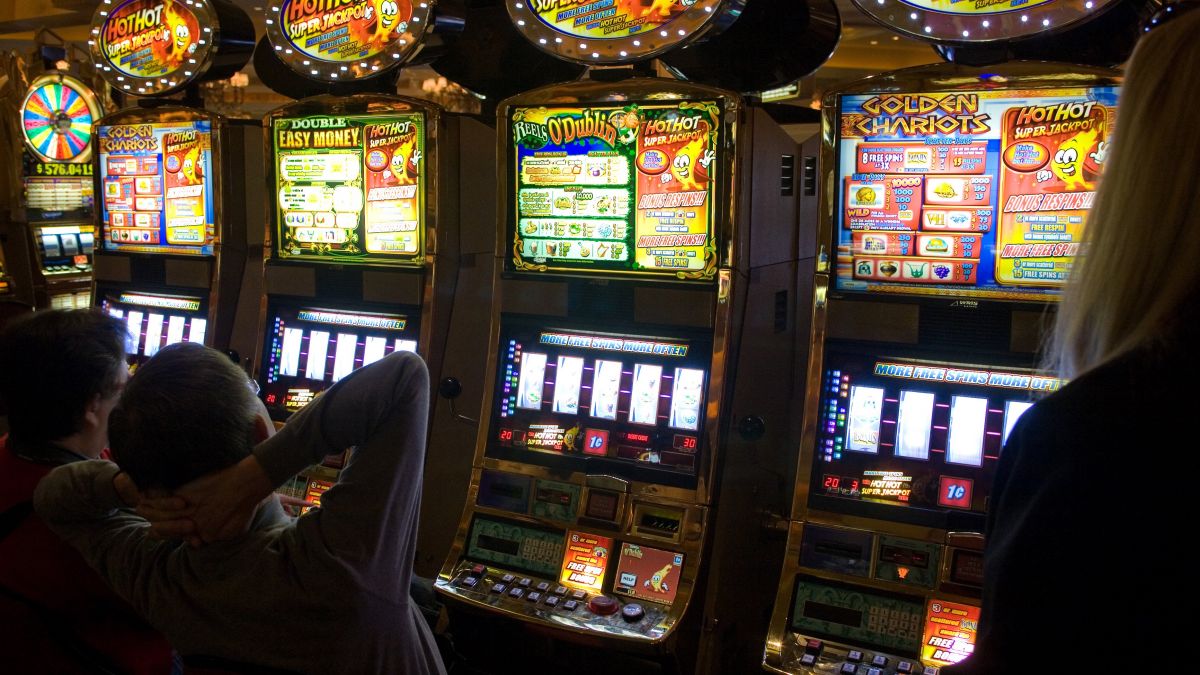
Exploring Insights from the Gaming Industry
As society continues to evolve, so too does the gambling industry. Recent trends reflect a shift towards embracing technology and innovation, with the rise of crypto casinos and other anonymous betting platforms. These developments cater to a growing demand for privacy and security among players, illustrating how cultural reflections influence industry practices. By understanding societal attitudes, the gaming sector can adapt its offerings to better align with consumer preferences.
In this dynamic landscape, it’s essential for players to stay informed. Whether you’re a novice exploring the world of online gambling or a seasoned veteran, insights into responsible gambling can enhance your experience. By considering the cultural contexts and societal implications of gambling, individuals can make more informed choices that contribute to a healthy gaming environment.