
Understanding the psychology of risk in gambling behavior
The Nature of Risk in Gambling
Gambling inherently involves risk, as participants wager money or valuables on uncertain outcomes. This uncertainty is a primary draw for many, creating an adrenaline rush that enhances the overall experience. Moreover, understanding the concept of bitcoin casino is crucial, as it reflects the evolving landscape of gambling. Understanding the nature of risk in gambling behavior is essential for both players and operators, as it shapes decisions and influences the gambling environment.
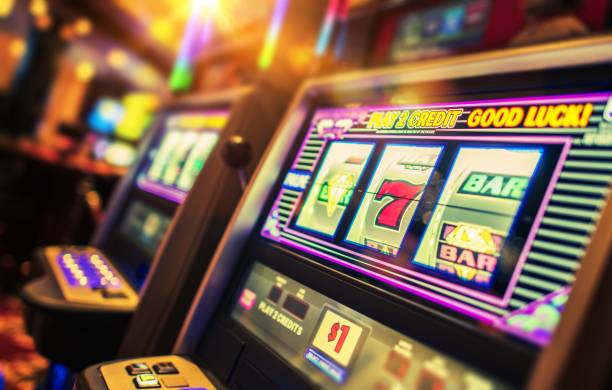
The excitement associated with risk can lead to various psychological responses. For instance, the thrill of potentially winning can overshadow the fear of loss, prompting individuals to engage in riskier behaviors. This complex interplay between excitement and apprehension is fundamental in shaping gambling decisions.
Cognitive Biases and Risk Perception
Cognitive biases play a significant role in how gamblers perceive risk. Common biases, such as the illusion of control, lead individuals to believe they have more influence over game outcomes than they actually do. This illusion can encourage more frequent betting and increased amounts wagered, as players become overconfident in their abilities.
Moreover, gamblers often fall prey to the gambler’s fallacy, where they incorrectly assume that past outcomes influence future events. For example, if a particular number hasn’t appeared on a roulette wheel, a player might believe it’s “due” to come up soon, prompting them to bet more heavily. These biases can skew risk perception, leading to poor decision-making.
The Role of Emotions in Gambling Decisions
Emotions significantly impact gambling behavior, often leading to irrational decisions. Players frequently experience heightened emotions, such as excitement, anxiety, or frustration, which can cloud judgment. When individuals are emotionally charged, they may prioritize immediate gratification over long-term consequences, resulting in increased risk-taking.
Additionally, the emotional rollercoaster of gambling—often referred to as the “gambler’s high”—can reinforce the desire to engage in riskier behavior. The temporary highs associated with wins can overshadow the losses, creating a feedback loop that keeps players returning for more, despite potential negative consequences.
Social Influences on Gambling Behavior
Social factors significantly influence gambling behavior and risk perception. Peer pressure can encourage individuals to engage in gambling activities they might otherwise avoid. Friends or family members who gamble can create an environment where risk-taking seems normalized and even encouraged.
Furthermore, gambling is often portrayed in popular culture as glamorous and exciting. Media representations can glamorize high-stakes gambling, contributing to a societal perception that equates risk-taking with success and adventure. This cultural context can perpetuate gambling behaviors and increase participation among new players.

Understanding Syntouch Inc.
Syntouch Inc. is dedicated to enhancing user experiences through innovative technology solutions. Although the website is temporarily inaccessible, the focus remains on providing valuable resources and products tailored to meet users’ needs. Understanding the psychology of risk can aid in developing technology solutions that support responsible gambling practices.
As visitors await the site’s return, it’s essential to recognize the significance of understanding gambling behavior, especially in an increasingly digital landscape. With the right tools and knowledge, both players and operators can navigate the complexities of risk more effectively, promoting healthier gambling habits.